
By Robert W. Morrell
The Soldiers’ Revolt. By Dudley Edwards. Spokesman Pamphlet, Nottingham. 35p.
THE TALE TOLD by this short pamphlet is one that while not being unknown to those who study social history, is nevertheless generally known from the establishment viewpoint. This pamphlet seeks to put the record right, and to present the events from the point of view of those who participated and suffered.
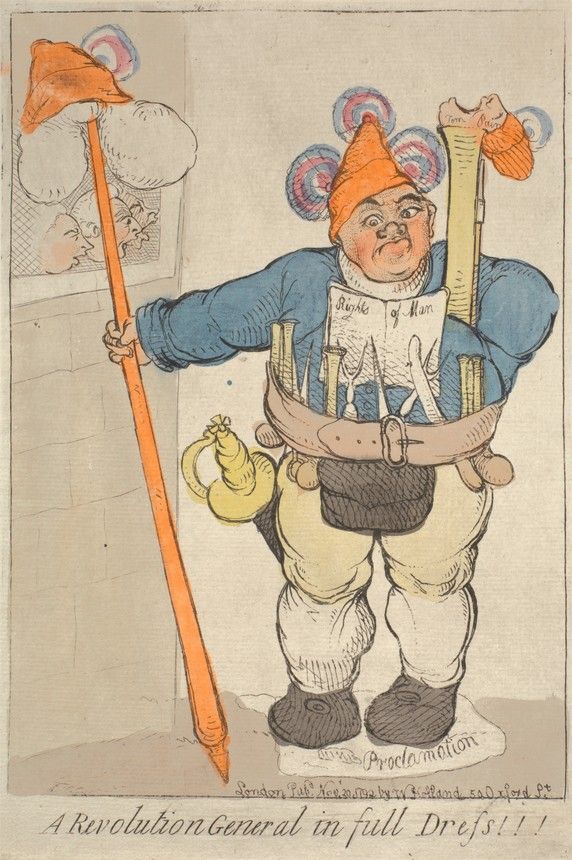
Basically the story is of a military mutiny which involved among other things the seizure of some grainships and the disposal of the grain. The author illustrates the political background and draws attention to “grassroots” spread of revolutionary ideas, referring to the secretive correlation of Paine’s Rights of Man, which he incorrectly calls, The Rights of Man.
Dudley Edwards shows the vivid contrast between the vast wealth at one end of society and the grinding poverty at the other, the former being typified by what the Sussex historian, Ackerson Erriage, tells us of the ostentatious orgies which took place in the Royal Pavilion at Brighton, not far from where the mutiny took place in 1195, at Newhaven. Locals termed the Pavilion as “a chapel at one end and a brothel at the other.” The war with France had created a new wealthy class, which the Prime Minister of the day, William Pitt, took quick steps to “ennoble.” On this William Cobbett, an astute observer, noted that Pitt had among his “creatures and close adherents,” a “strange mixture of profligacy and can’t; jobbers all morning and Methodists in the afternoon,” which Edwards adds bear out “the remarks about the Brighton Pavilion.”
The brutal treatment meted out to the ringleaders of the mutiny makes grim reading, and is testimony to the genuine fear among the self—apointed leaders of England at the threat to their wealth and privilege the mutiny posed. Their attitude is reflected among some of today’s political figures, which is in fact the message of the pamphlet. Well worth reading, though whether you will agree with the author’s ideas when related to the present time is another matter entirely.