
by Christopher Brunel
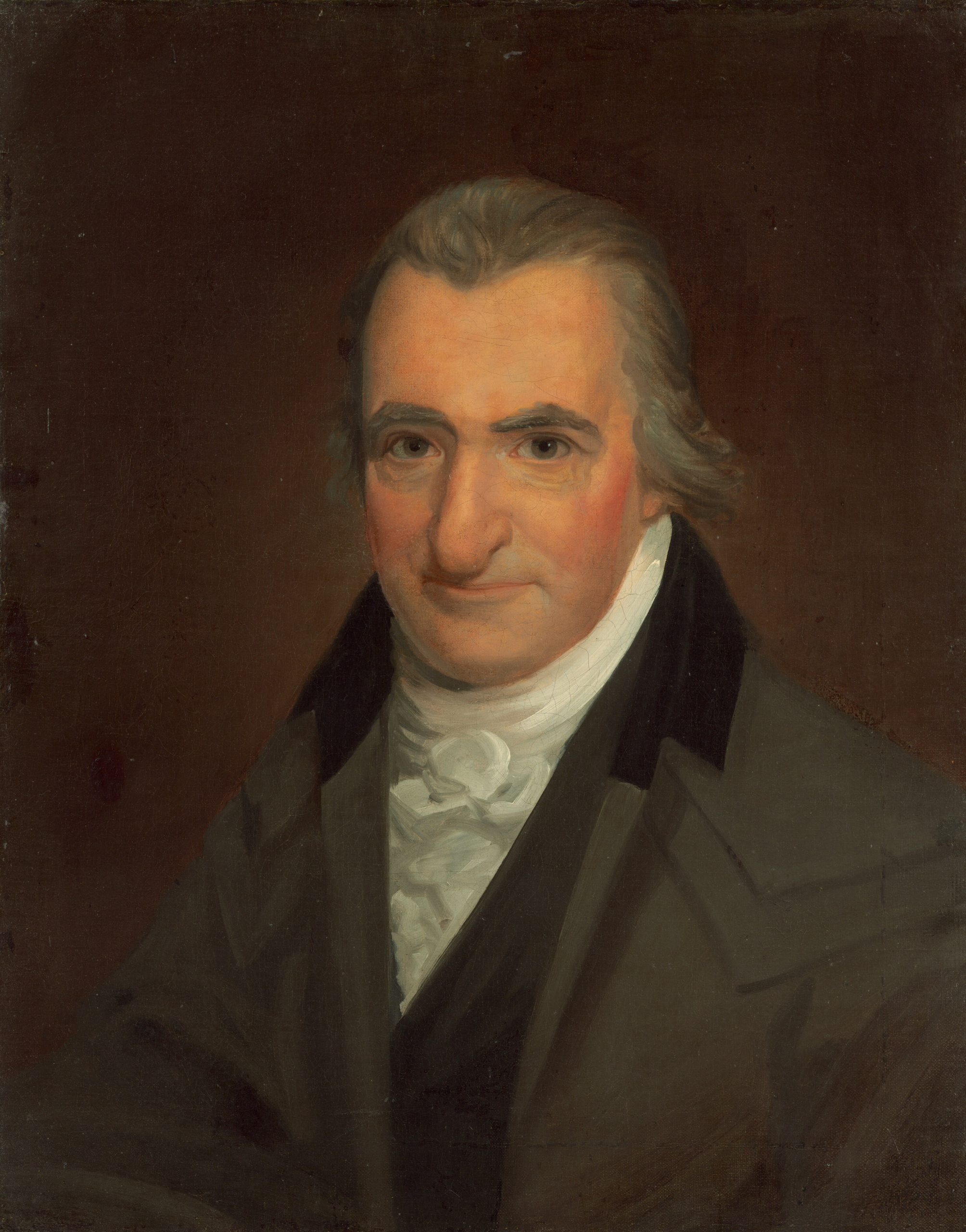
The Picture Story And Biography Of Tom Paine. By Grace Neff Brett (Library of American Heroes) Colour illustrations by R.C. Frankenberg. Follett Publishing Company, Chicago. $1.95.
I am delighted that children these days are being treated to a great number of excellent books – books, in which they can discover pleasure and stimulation for their receptive minds. My delight was doubled, when I received Mrs. Grace Neff Brett’s The Picture Story and Biography of Tom Paine. Here is a faithful account for children from ten years up – or, in my view, for adults as well – of the important parts of Paine’s life, but with an understandable bias on his life in America, during the struggle for independence.
Its story-book style ensures that no youngster, glancing at it, will be afraid it is dry history. But this style is in no way untrue to the character of Paine and the facts of history. Mrs.Brett told me recently, during her first visit to Britain, how she became Paine, while writing the book. A good writer might do this anyway, but I mention it for two reasons.
I could see from the way she told me how much she had enjoyed the experience (so much so that she is now preparing a longer work on Paine). The second reason goes back to 1943, when Howard Fast’s Citizen Tom Paine was published in America, a book which is still quoted by people who should know better. Fast wrote his historical novel, and signally failed to produce from his imagination anything much more than a caricature of Paine.
My late father, himself a writer and, as a film scenarist, not averse to mixing fiction with history, defended Fast’s right to invent scenes and dialogue, in which Paine was featured – so long as they were in character. Fast committed the sin of giving even further twists to the prejudiced slanders, levelled against Paine and produced an inexcusably false portrait.
Once bitten, I was shy about approaching Mrs. Brett’s book. But I need not have feared, as she is scrupulously right in the way she had approached her subject. When Thomas Paine opens his mouth in her book, his words . – his kind of Quaker words – authentically issue from him. I do not wish to insult her by merely saying that she passes the test of not being inaccurate!
She shows Paine’s great qualities – his caring in youth about the shame and torture of a young neighbour with her head and feet locked in the local stocks, his caring about all men’s rights, his personal bravery, his scientific achievements, and the way, when he was full of his subject, that his thoughts flowed with the ink in a simple, direct language that every man would understand. She shows these qualities, and makes them exciting.
As an adult, I should have liked a longer book. Though I have read many longer biographies of Paine, I can truly say that I understand him better from having read Mrs. Brett’s fine work.